The bears do not know they are famous. That is the first thing I understood at Glendale Cove, two hundred and forty kilometres northwest of Vancouver, where a floating lodge sits in a sheltered bend of Knight Inlet and the largest seasonal gathering of grizzlies in British Columbia assembles every autumn for reasons that have nothing to do with anyone watching.
I have made the floatplane trip in twice — two separate seasons, once for the salmon run and once to shoot the spring light — and the window seat still gets me. You thread between islands for half an hour, the channels below looking like poured glass, and then the machine banks into a cove where an eighteen-room lodge floats against a wall of rainforest.
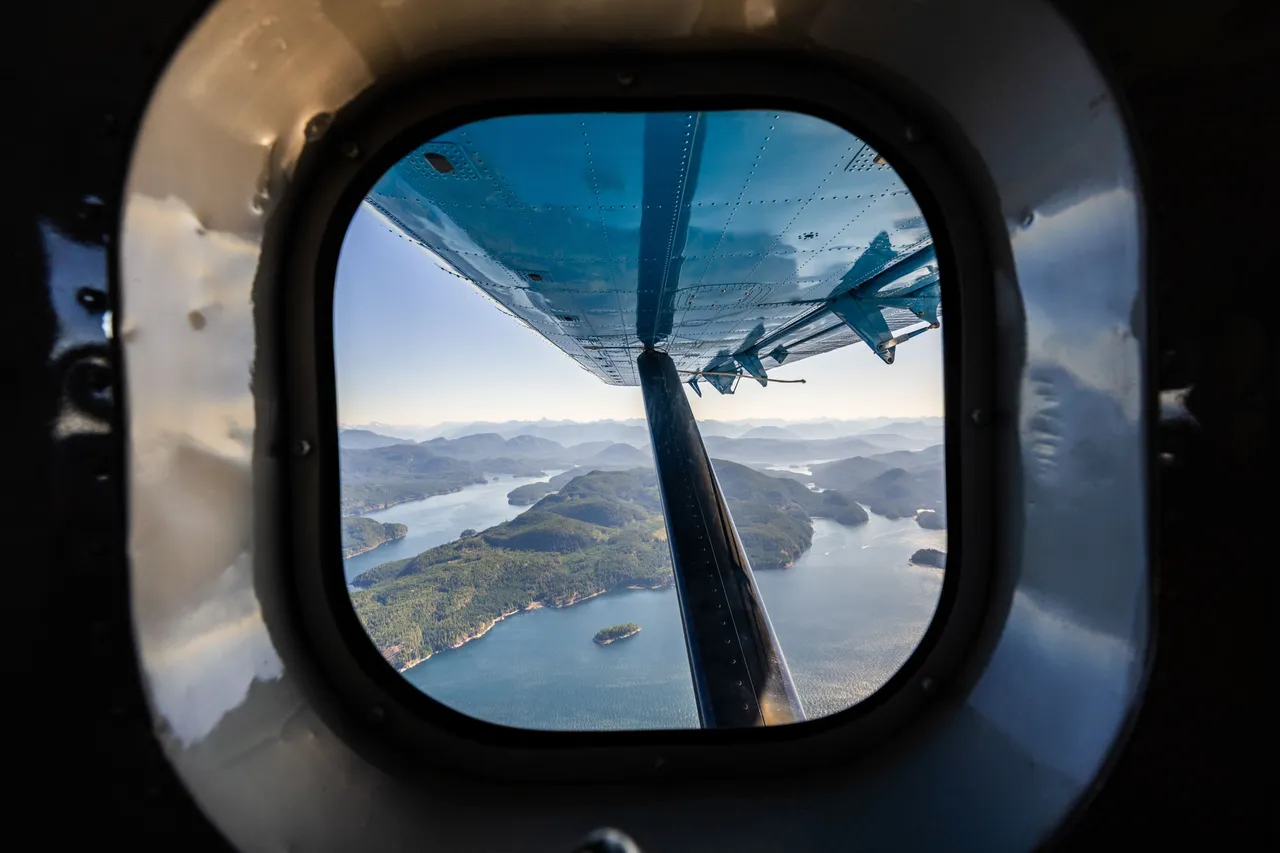
The commute. Camera bag between my feet, thirty minutes out of Campbell River.
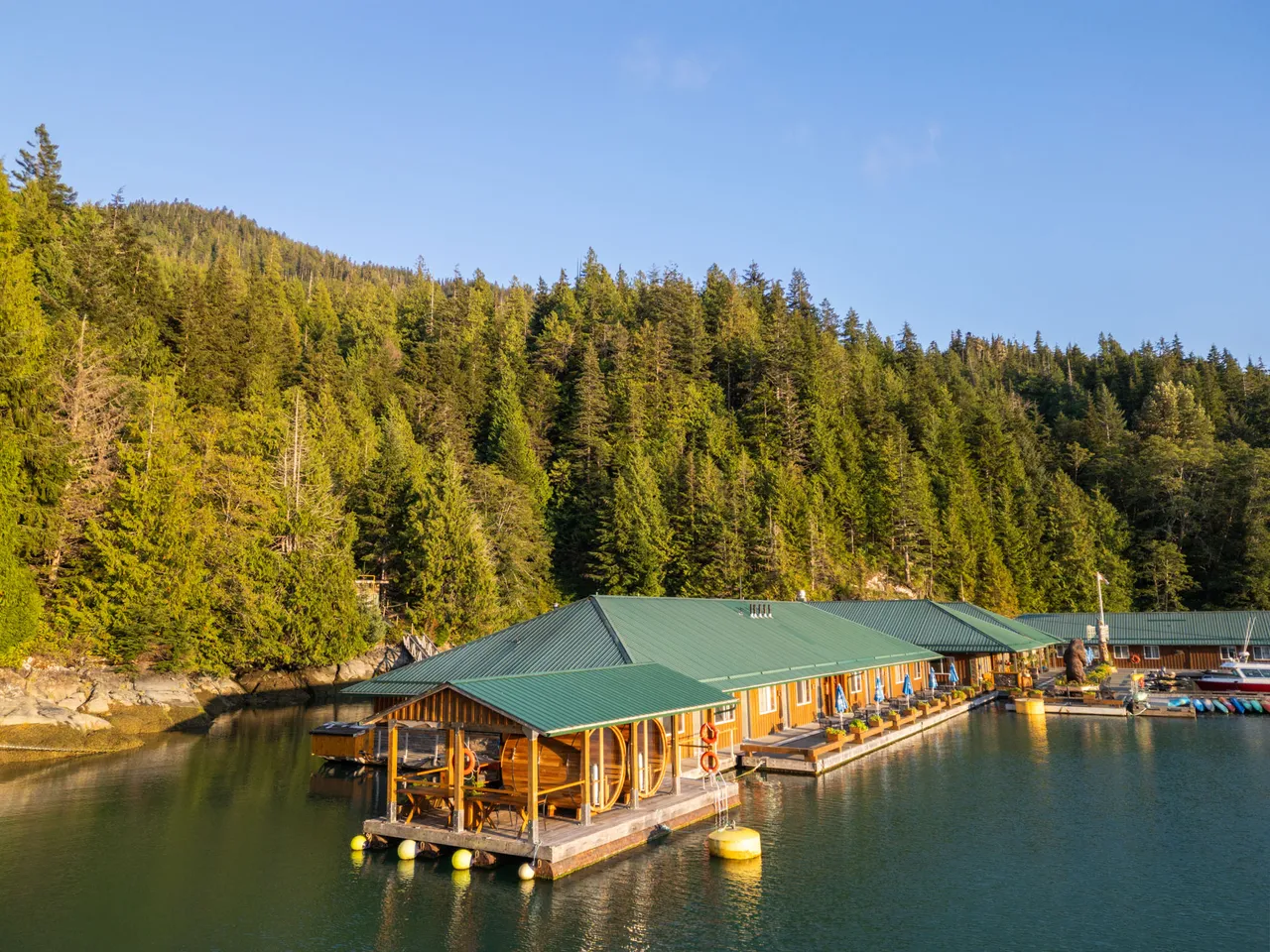
Knight Inlet Lodge from the drone — the whole property floats, moored against the rainforest.
The reason for all of it is pink salmon. From late August the run builds in the spawning channels behind the cove, and the bears — as many as fifty within five miles of the lodge in a strong year — arrange their entire waking lives around it. The lodge arranges its season around the bears. Spring and summer are boat months: grizzlies grazing the estuary sedge, newborn cubs, humpbacks and Steller sea lions working the outer water. Then the salmon clock strikes, and everything moves to the stands.
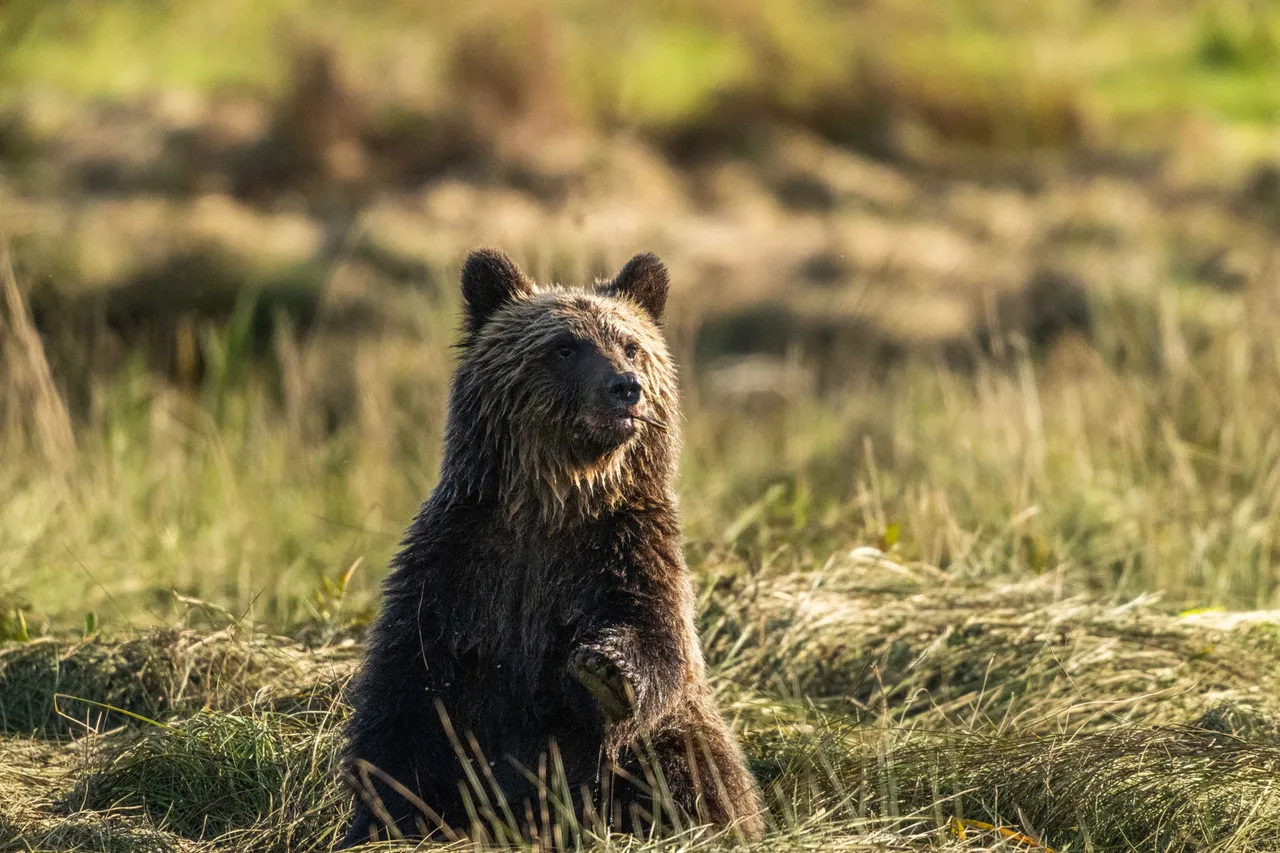
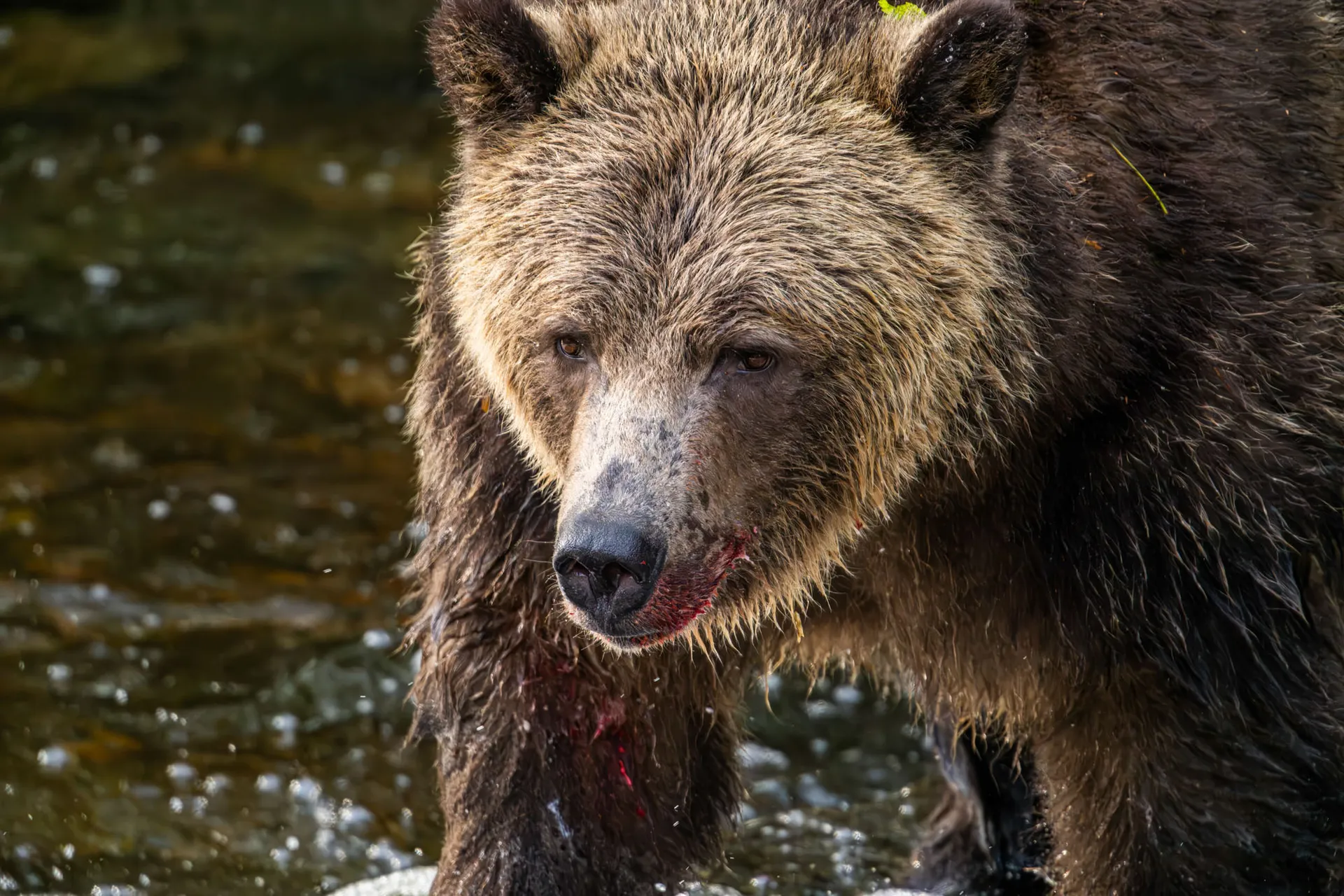
Estuary season. Long lens, low tide, and a bear with better things to think about than me.
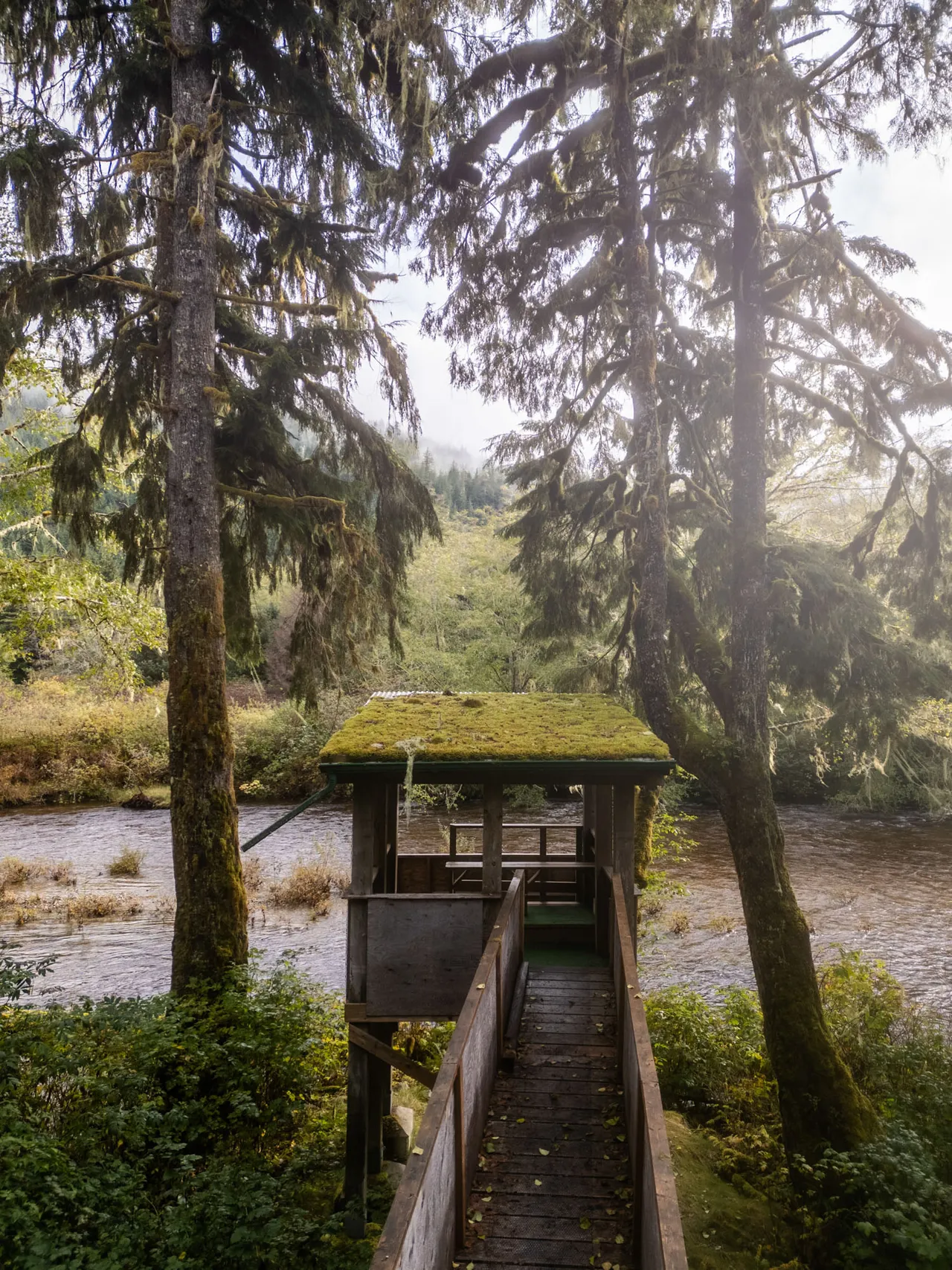
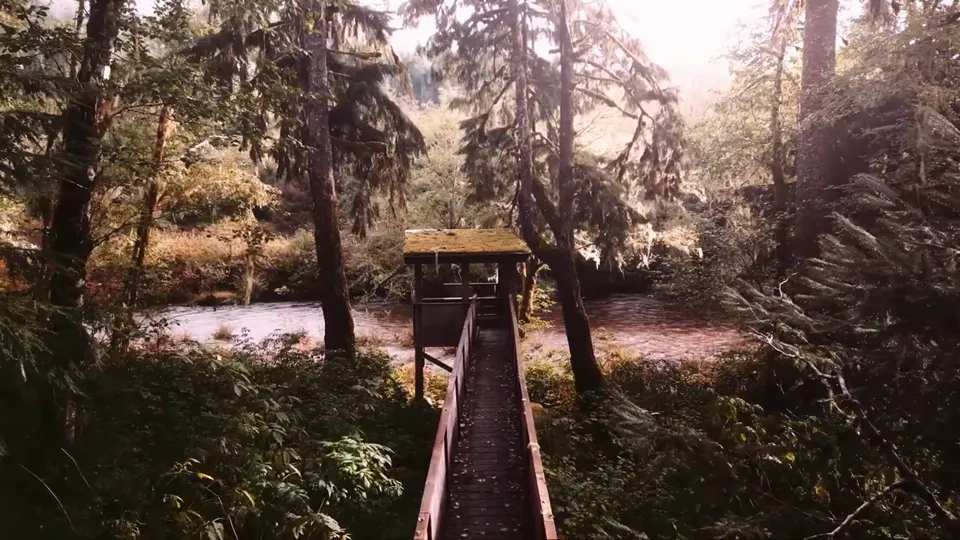
The viewing stands above the spawning channels — built for long, quiet hours at bear height.
The stands change the arithmetic of wildlife photography: you are not looking for bears, you are waiting in the one place the bears have to come.
I shoot for a living, and I want to be precise about what the stands give you: proximity without intrusion. The bears fish below and around you, close enough that a 100–400mm covers everything, and because you arrived before they did and will leave after, nothing about your presence changes their behaviour. That is when the frames happen — the ones with water coming off a lifted muzzle.
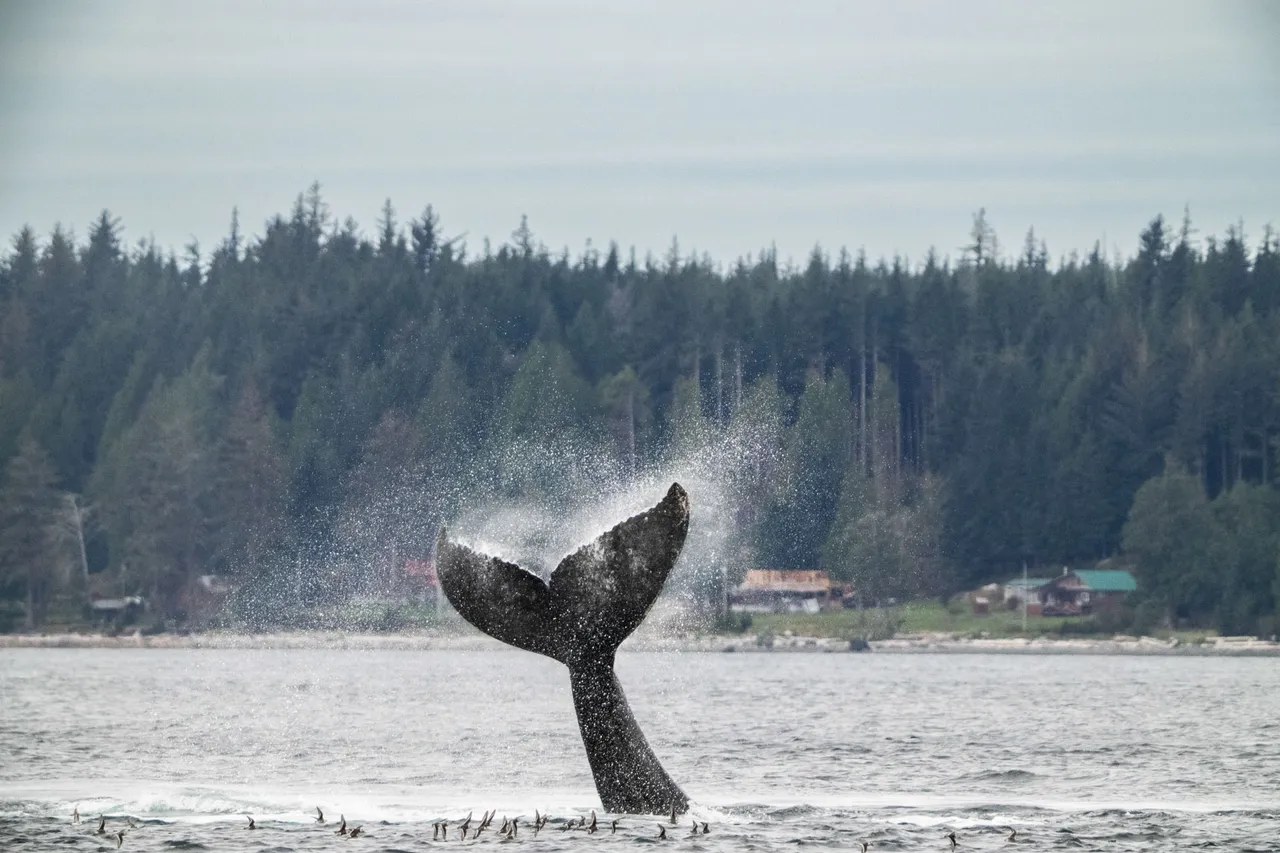
The supporting cast is not exactly minor: humpbacks work the inlet all season.
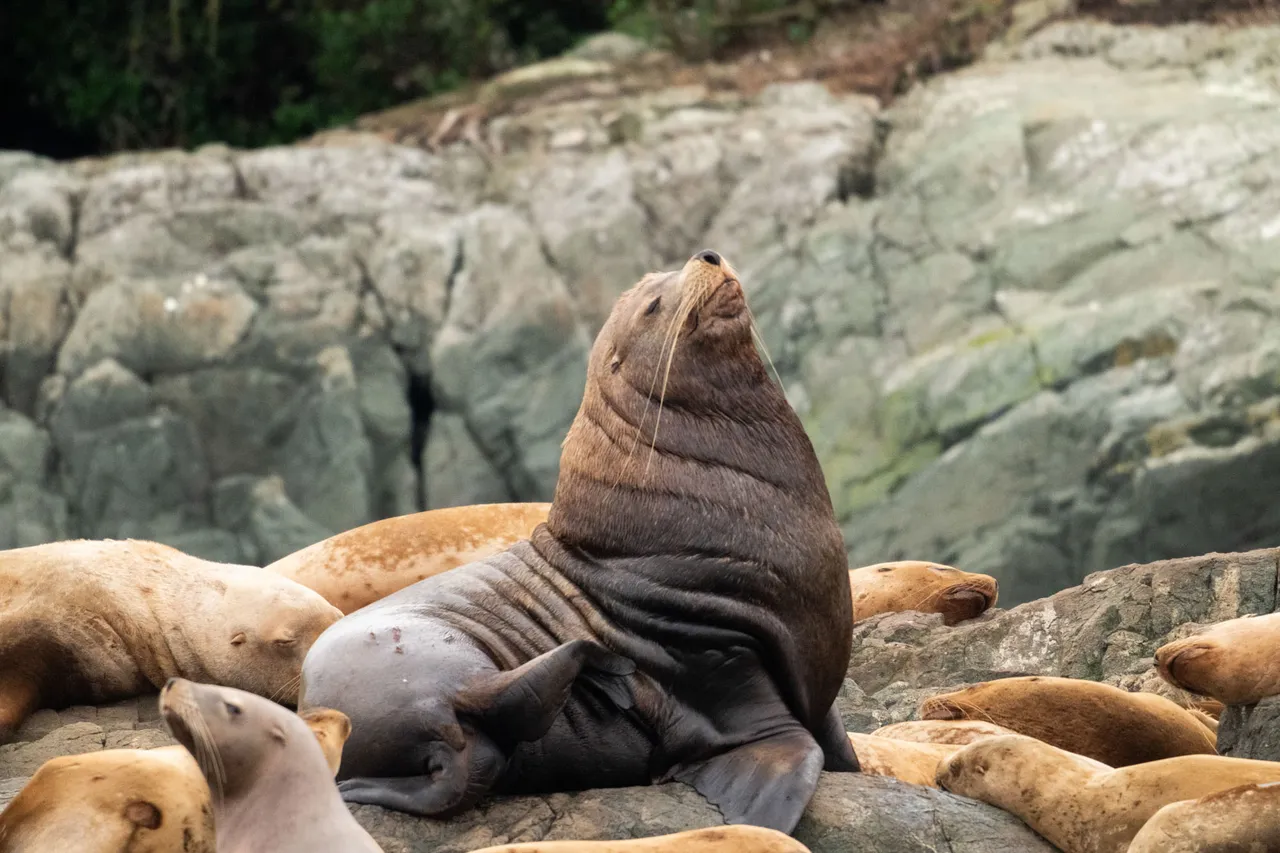
Steller sea lions on the haul-out, an hour’s cruise from the dock.
The lodge itself is owned by five partner First Nations — Da’naxda’xw Awaetlala, Mamalilikulla, Tlowitsis, Wei Wai Kum and K’ómoks — whose territories hold the inlet and whose guides carry its history. The rooms have proper ensuites and the kind of beds you do not expect on a floating platform; there are two cedar saunas on the dock with a cold plunge straight into the inlet; and on the right afternoon a platter of fresh Dungeness crab appears on the deck.
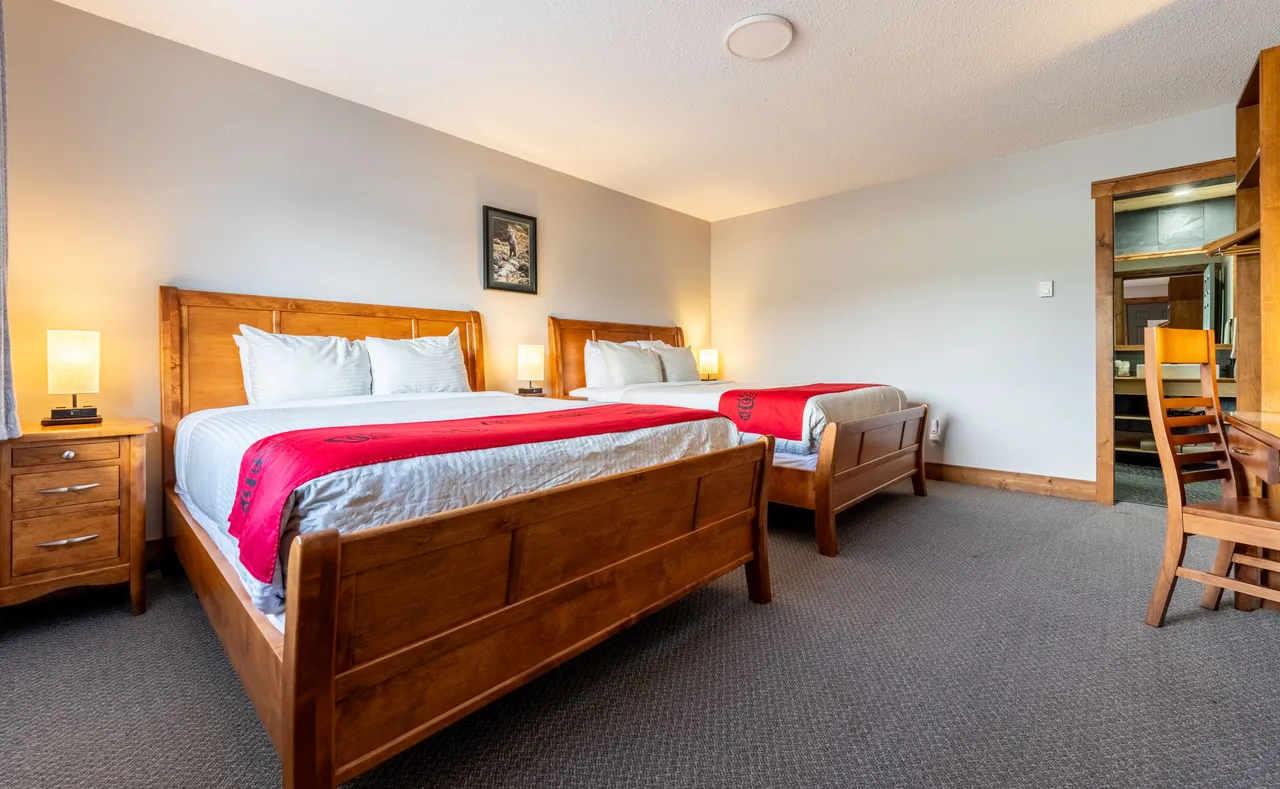
The rooms: two queens, ensuite, and the inlet outside the window.
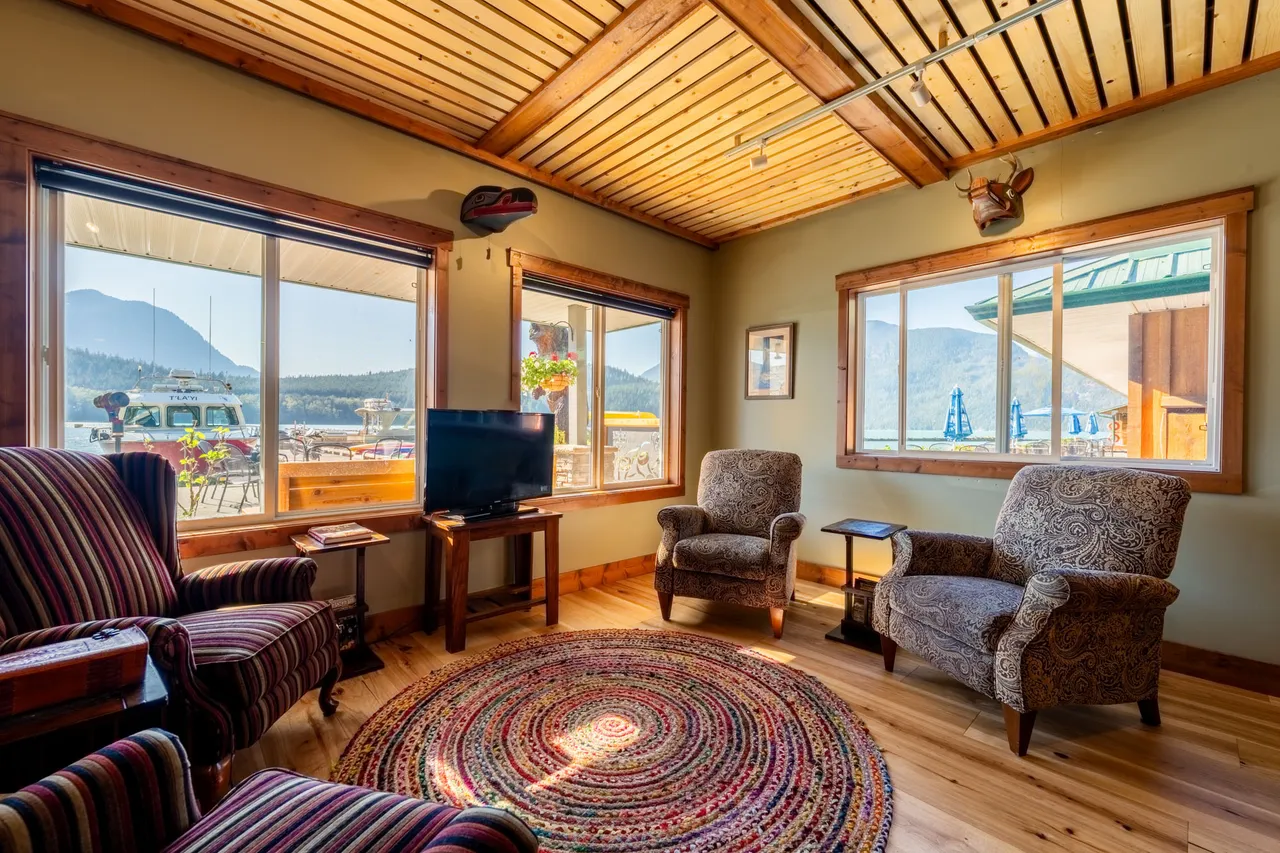
The lounge, where the day’s sightings get argued over.
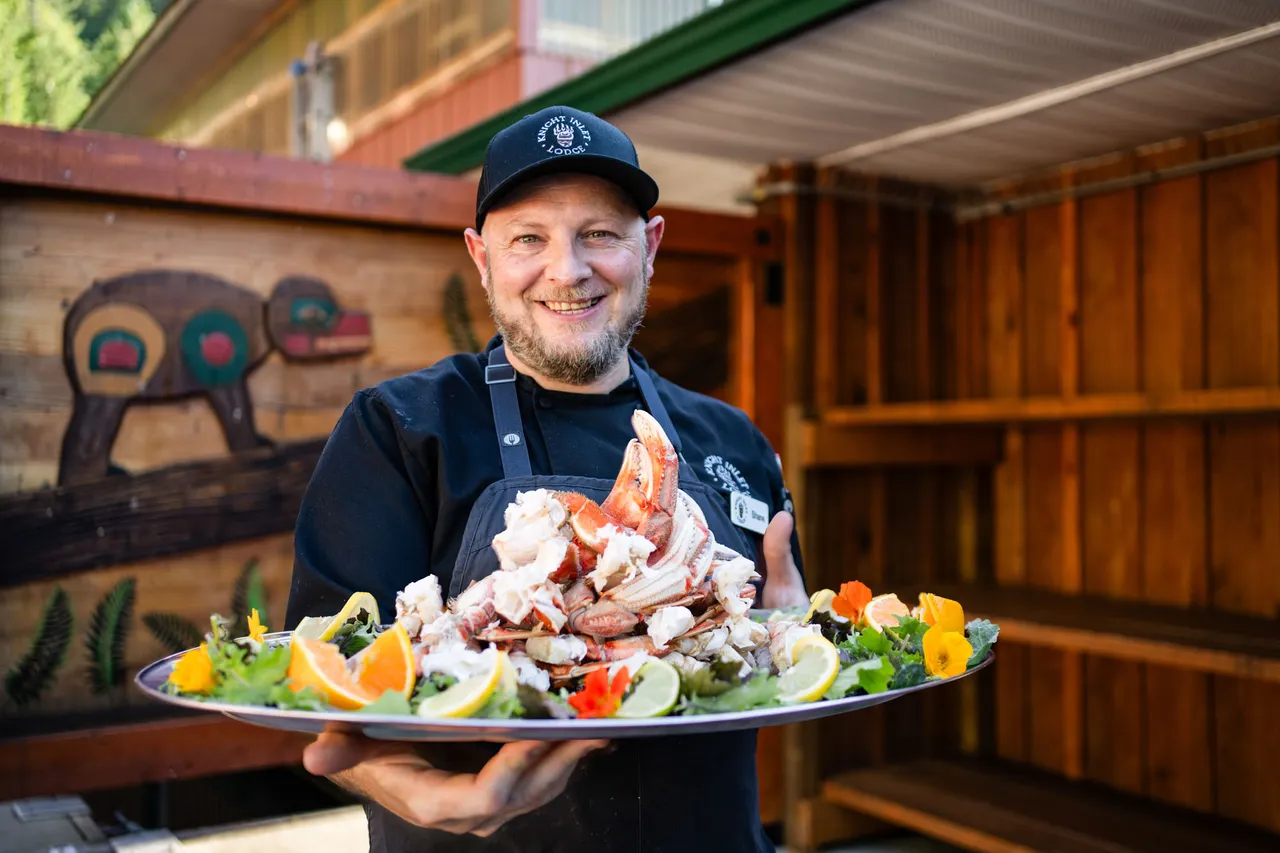
Dungeness, straight off the boat. I photographed it quickly, for obvious reasons.
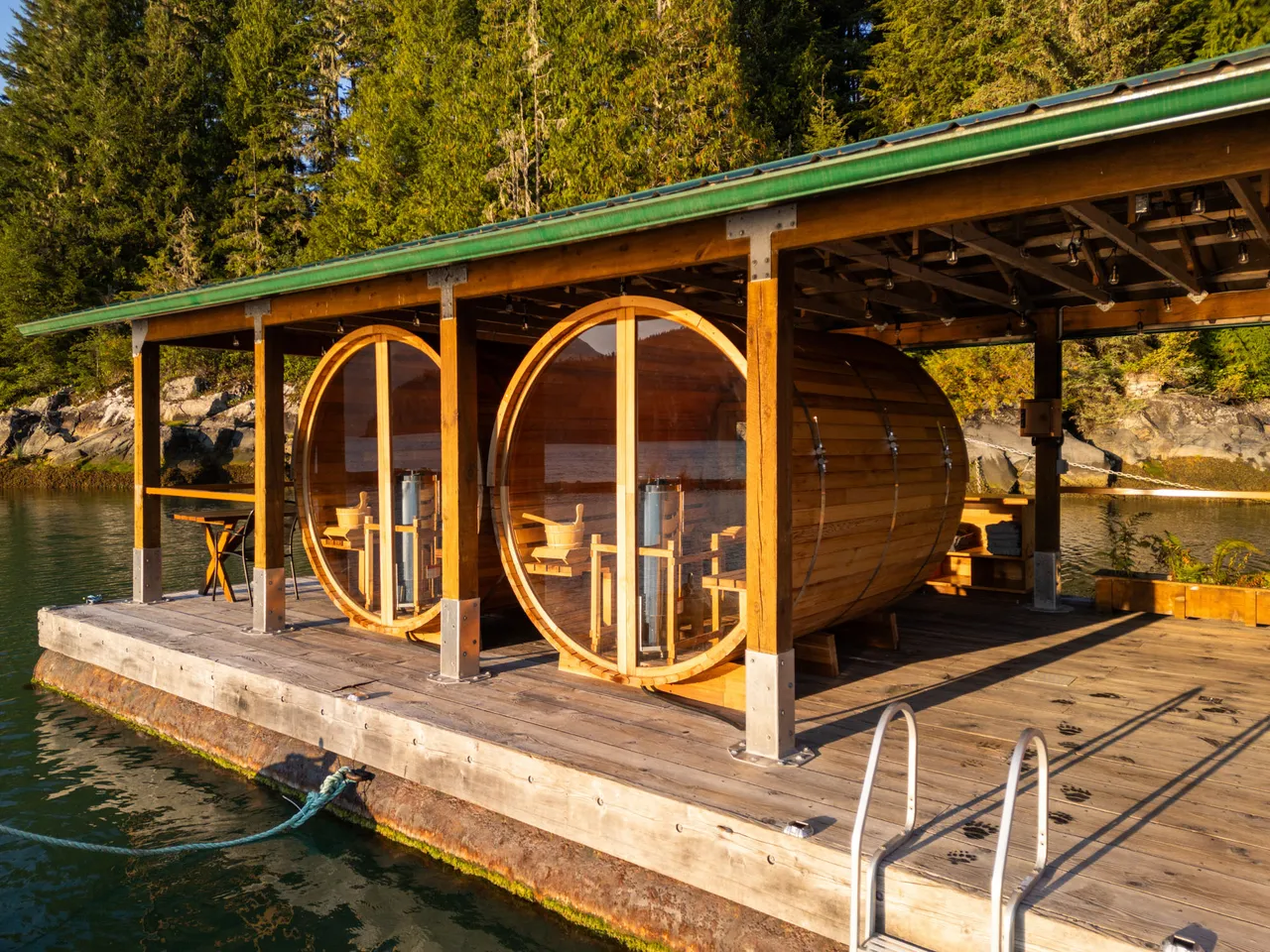
The dock saunas. The cold plunge is the inlet itself.
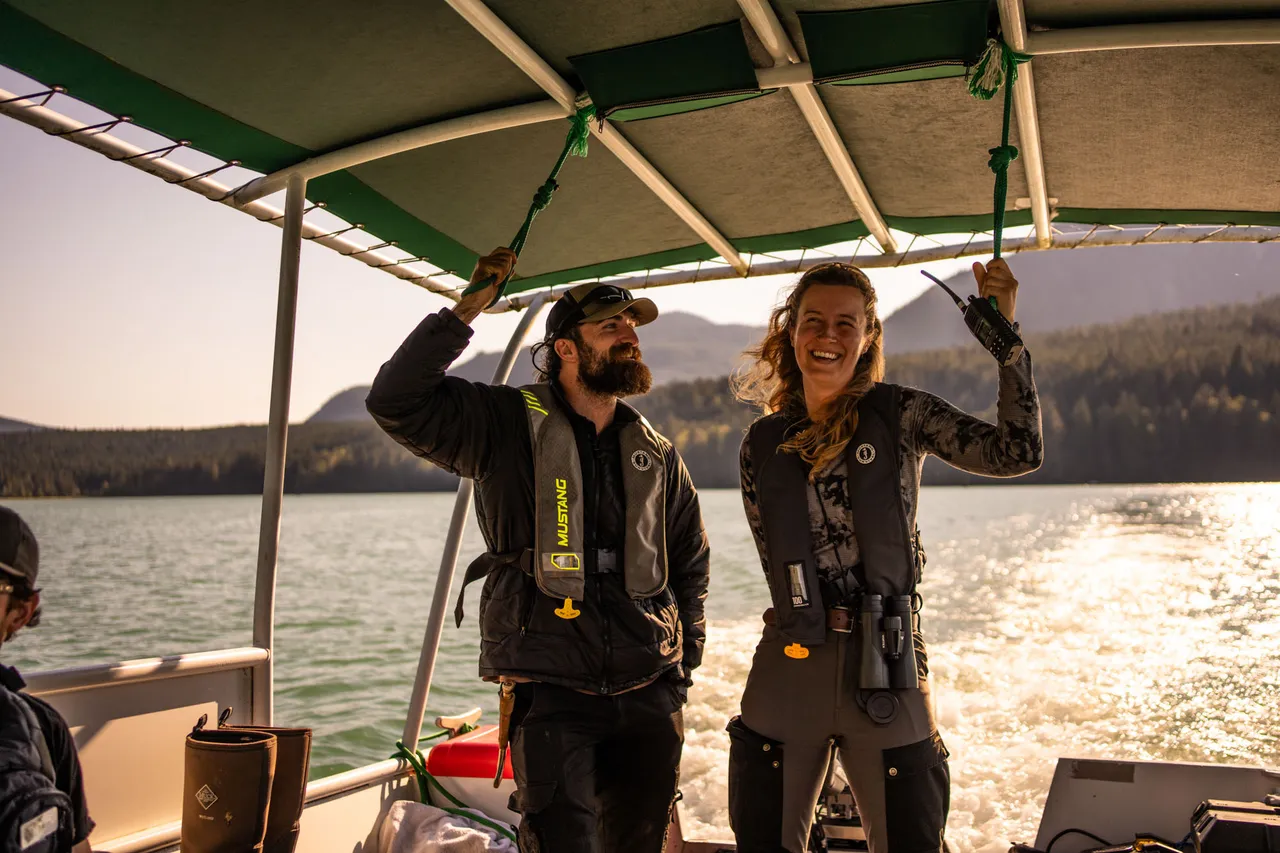
The guides, who can read this coast the way the rest of us read a menu.
Be clear-eyed about the trade. Three-night packages are the standard unit; rates are quoted on enquiry; children under six cannot come in summer, under eight in autumn. The floatplane is spectacular and weather-dependent in equal measure, and a slow morning happens — this is wildlife, not theatre. But some nights the aurora shows up over the treeline as a kind of apology, and the bears keep the schedule they have always kept. The only question is whether you are there when the clock strikes.
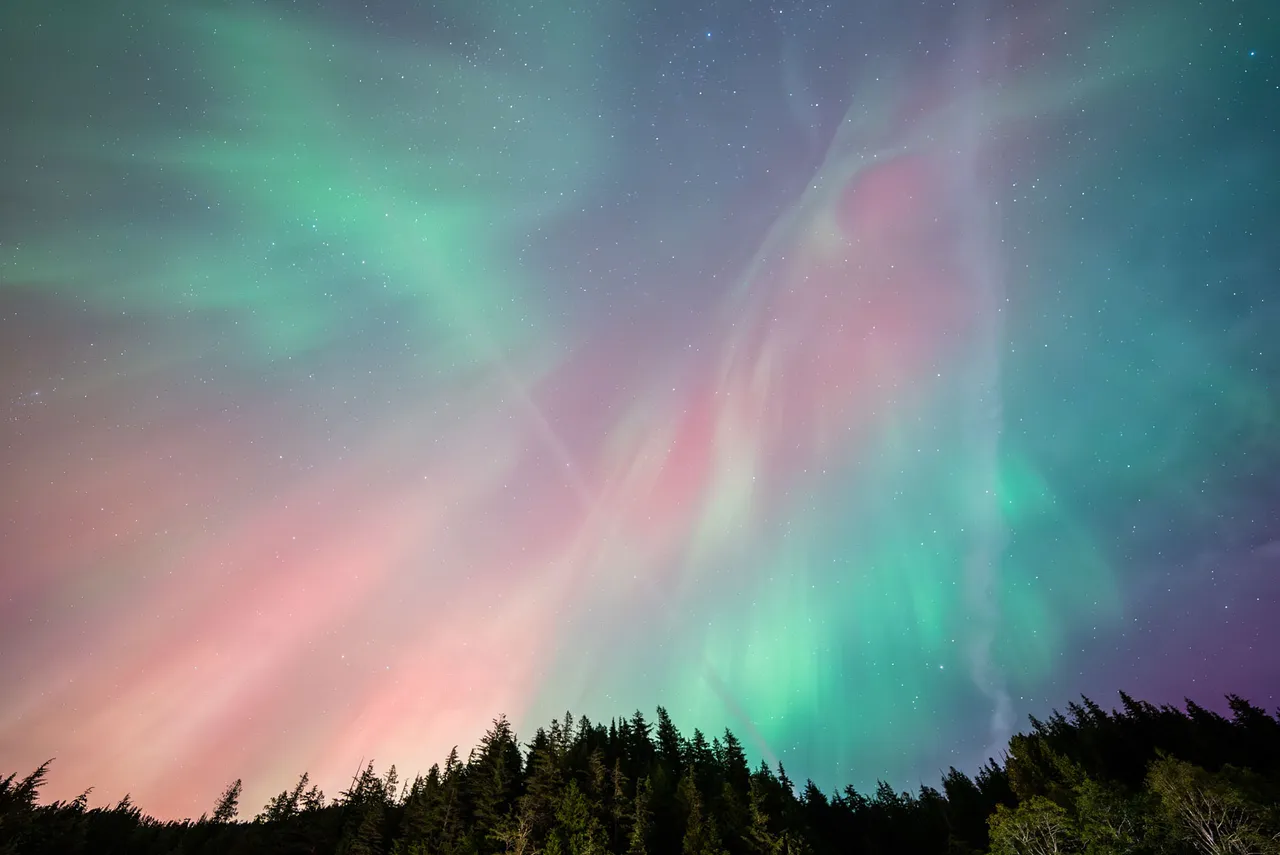
Some apology.
The film
I shot Knight Inlet across two seasons for the lodge’s own campaigns — this is the result, and a fair preview of what a stay looks like.
You can also walk through the lodge in the 360° virtual tour I built for them — every deck, room and stand, before you commit to the floatplane.